Flooding is the standout weather hazard at Sequoia & Kings Canyon, with 17 recorded flood events in Tulare County making it the most frequent documented danger for campers in this area. Snowmelt from the high Sierra combines with seasonal storms to push rivers and creeks over their banks quickly, sometimes with very little warning, particularly in canyon corridors where Kings Canyon's steep terrain channels water fast.
When booking campsites, choose sites on elevated ground away from creek banks and dry drainages — spots that look peaceful can become dangerous within hours of upstream rain. Pack a battery-powered weather radio, since cell coverage is unreliable throughout much of the park, and check the National Weather Service forecast for the Kaweah River basin specifically before each night in camp. If you hear sustained rain in the night, move your tent and gear uphill immediately rather than waiting to assess the water level.
Top recorded hazards in Tulare County
County dataFrom NOAA Storm Events (2024). Counts of recorded incidents — not all occurred at this park.
- Flood 17
- Funnel Cloud 5
- Hail 1
- Debris Flow 1
Gear keyed to this park's risks
Recommendations driven by the actual hazards above. As an Amazon Associate we earn from qualifying purchases.
Own this campground? Get featured.
Premium listing slots for verified owners — show photos, amenity details, and direct booking links above the standard data card. Drop your contact info and we'll reach out.
About Sequoia & Kings Canyon National Parks
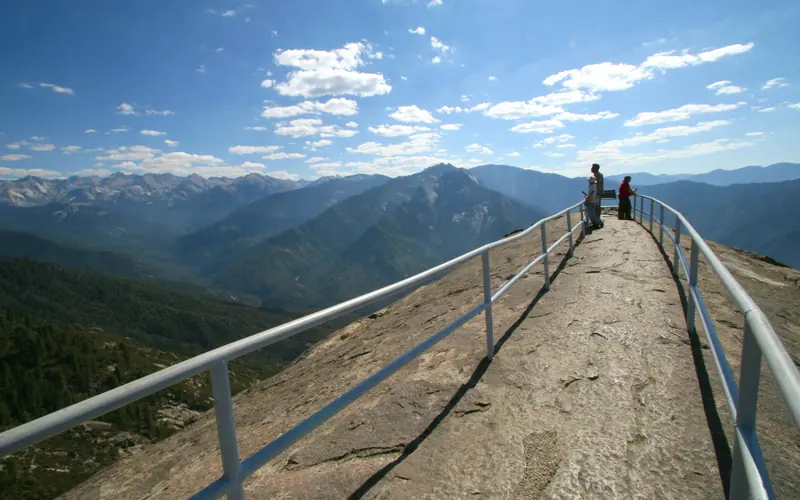
Huge mountains, rugged foothills, deep canyons, vast caverns, and the world’s largest trees exemplify the diversity of landscapes, life, and beauty here. Explore these pages to plan your visit or to learn about the plants and animals here and the threats they face. Ancient giant sequoias may seem invincible, but they, too are vulnerable.
Weather
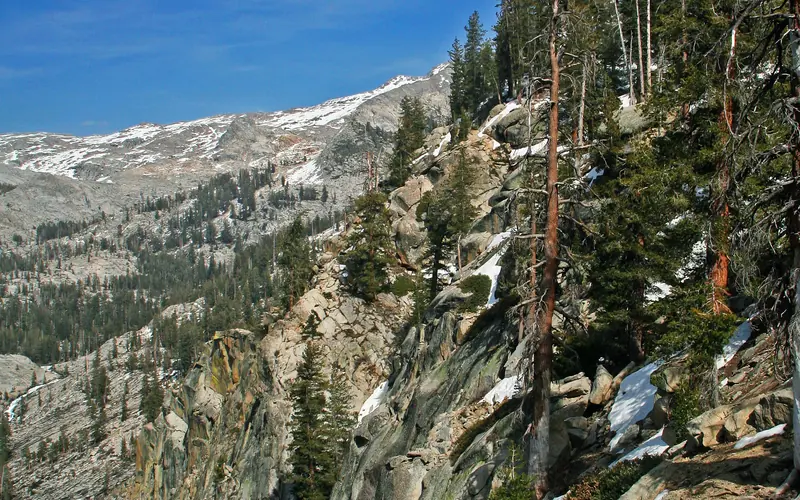
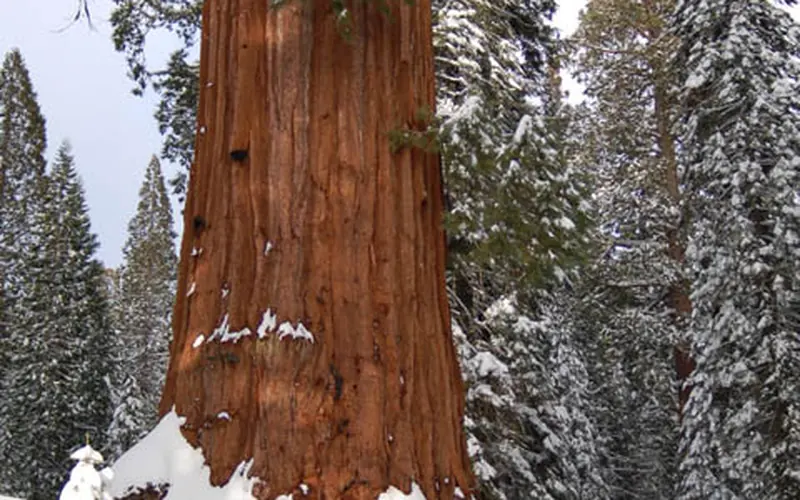
Because of the extreme elevation range in the parks, weather conditions vary widely between areas. In summer, the sequoia groves have comfortable temperatures and the foothills are hot and dry. Snow lingers on high-mountain passes well into summer. In fall, conditions can range from summer-like to winter-like. Winter brings snow to sequoia groves and rain to the foothills. Be prepared for tire chain requirements. Spring is a great time to hike in the foothills and snow begins to melt at higher elevations.