Mariposa County's violent crime rate of 526.5 incidents per 100,000 residents in 2023 is the sharpest safety concern for families visiting Yosemite, running well above California's statewide average. While recorded weather events were limited to a single flood, hail, and thunderstorm wind incident, the crime picture warrants real attention, particularly in crowded trailhead parking areas and campgrounds during peak season.
Keep valuables completely out of sight in your vehicle — smash-and-grab theft at trailhead lots is the most common crime pattern in high-visitation parks. Use a steering wheel club or a lockable gear box bolted to your truck bed, and consider carrying a small personal safe for passports and extra cash inside your RV or tent. When camping, position yourself in a well-lit, populated loop and introduce yourself to neighboring campers, since an attentive community is one of the strongest deterrents to opportunistic theft.
Top recorded hazards in Mariposa County
County dataFrom NOAA Storm Events (2024). Counts of recorded incidents — not all occurred at this park.
- Flood 1
- Hail 1
- Thunderstorm Wind 1
Gear keyed to this park's risks
Recommendations driven by the actual hazards above. As an Amazon Associate we earn from qualifying purchases.
Own this campground? Get featured.
Premium listing slots for verified owners — show photos, amenity details, and direct booking links above the standard data card. Drop your contact info and we'll reach out.
About Yosemite National Park
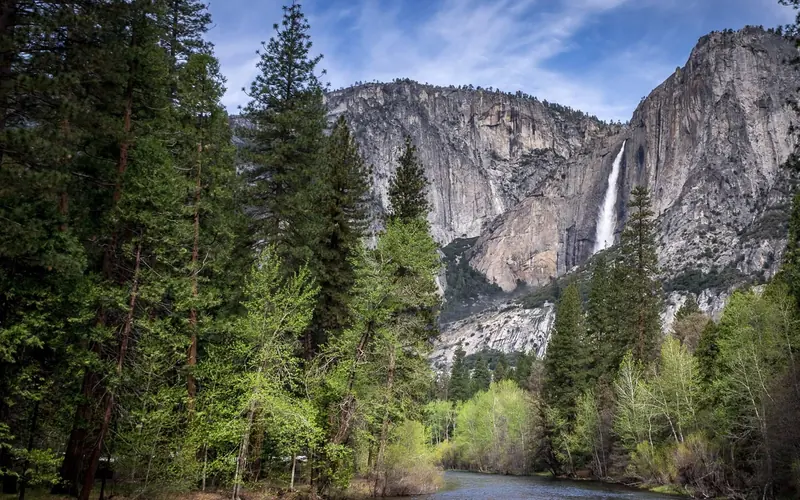
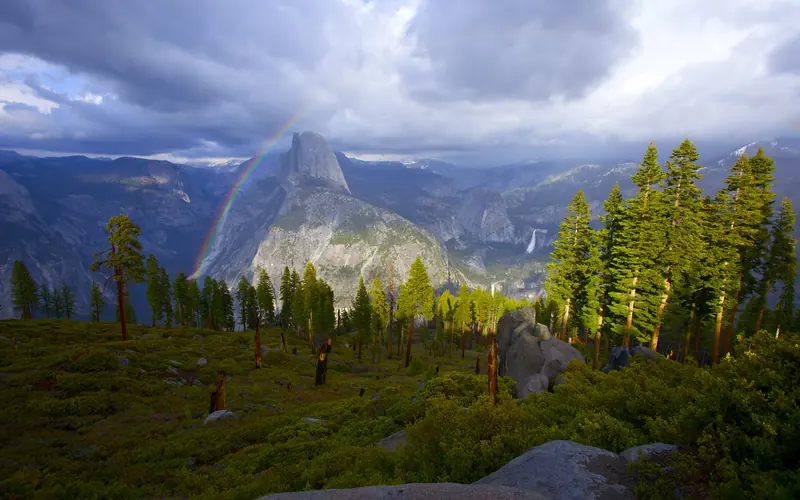
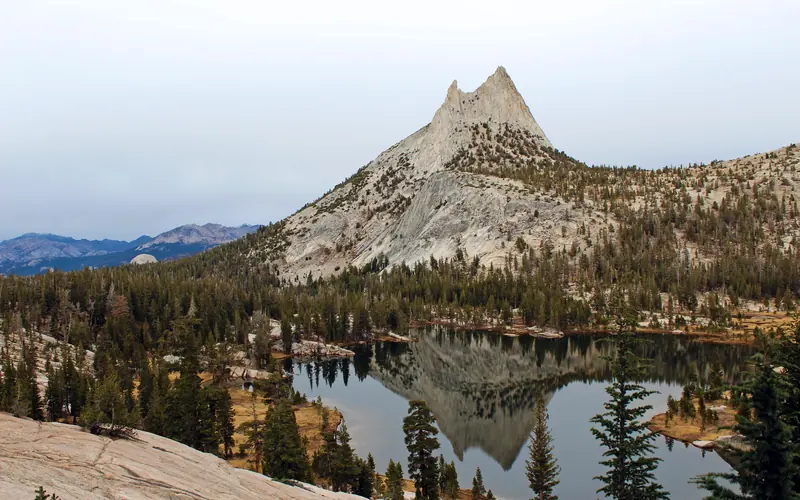
Not just a great valley, but a shrine to human foresight, the strength of granite, the power of glaciers, the persistence of life, and the tranquility of the High Sierra. First protected in 1864, Yosemite National Park is best known for its waterfalls, but within its nearly 1,200 square miles, you can find deep valleys, grand meadows, ancient giant sequoias, a vast wilderness area, and much more.
Weather
Yosemite National Park covers nearly 1,200 square miles (3,100 square km) in the Sierra Nevada, with elevations ranging from about 2,000 feet (600 m) to 13,000 ft (4,000 m). Yosemite receives 95% of its precipitation between October and May (and over 75% between November and March). Most of Yosemite is blanketed in snow from about November through May. (Yosemite Valley can be rainy or snowy in any given winter storm.)