The dominant safety concern at Santa Monica Mountains is the terrain's vulnerability to sudden, violent water and debris events. Los Angeles County recorded 22 flash floods and 9 debris flows in recent years, meaning the canyon corridors and drainage channels that make this area so scenic can transform into fast-moving hazards with little warning — even when skies look clear overhead. Thunderstorm winds added 13 more incidents to that picture, signaling that atmospheric conditions here shift quickly.
When camping or day-hiking in the canyons, download a NOAA weather radio app and check upstream conditions, not just local skies, before entering any wash or narrow drainage. Pack a dry bag for electronics and documents, and park vehicles on high ground rather than in low-lying pullouts. If you hear water rushing or notice the creek rising, move upslope immediately — debris flows move faster than most people expect and require zero hesitation.
Top recorded hazards in Los Angeles County
County dataFrom NOAA Storm Events (2024). Counts of recorded incidents — not all occurred at this park.
- Flash Flood 22
- Thunderstorm Wind 13
- Debris Flow 9
- Hail 5
Gear keyed to this park's risks
Recommendations driven by the actual hazards above. As an Amazon Associate we earn from qualifying purchases.
Own this campground? Get featured.
Premium listing slots for verified owners — show photos, amenity details, and direct booking links above the standard data card. Drop your contact info and we'll reach out.
About Santa Monica Mountains National Recreation Area
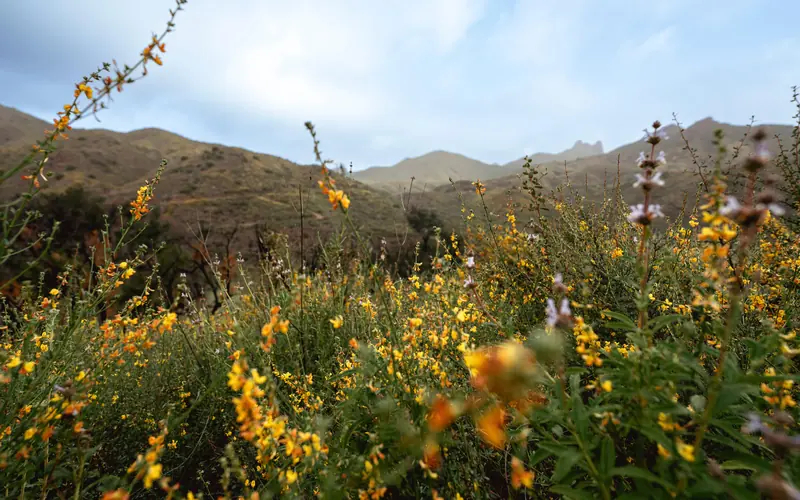
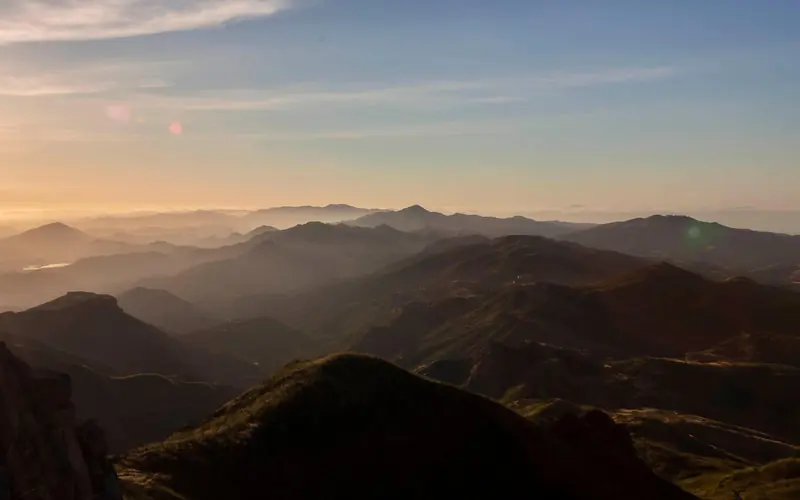
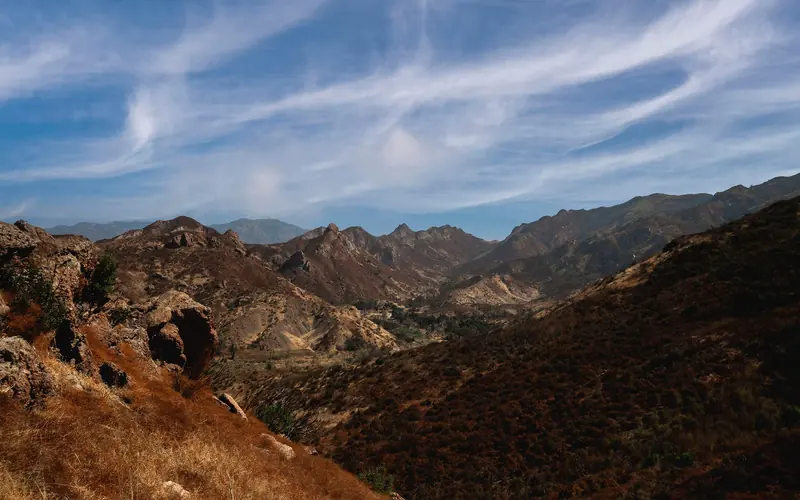
The Santa Monica Mountains offer easy access to surprisingly wild places. Experience the famous beaches of Malibu or explore more than 500 miles of trails. The park abounds with historical and cultural sites, from old movie ranches to Native American centers. What will you and your family discover?
Weather
Summers are hot and dry while winters are cool and wet.