Flash flooding is the primary hazard to plan around at Castle Mountains National Monument, with 16 flash flood events recorded across San Bernardino County alongside 11 additional flooding incidents — making water the dominant threat in this Mojave Desert terrain. Desert soils shed rainfall almost instantly, meaning a storm miles away can send a wall of water through a dry wash with little warning, even under clear skies at your campsite.
Before you set up, scan your site for dry streambeds, wash crossings, or low-lying ground and choose elevated, flat terrain instead. Download an offline weather radar app like RadarScope so you can monitor upstream storm cells without relying on cell service. Pack waterproof dry bags for sleeping gear and keep vehicle keys accessible — if water starts moving in a wash nearby, move to high ground immediately rather than waiting to see how bad it gets.
Top recorded hazards in San Bernardino County
County dataFrom NOAA Storm Events (2024). Counts of recorded incidents — not all occurred at this park.
- Flash Flood 16
- Flood 11
- Thunderstorm Wind 11
- Heavy Rain 5
- Hail 3
- Lightning 2
Gear keyed to this park's risks
Recommendations driven by the actual hazards above. As an Amazon Associate we earn from qualifying purchases.
Own this campground? Get featured.
Premium listing slots for verified owners — show photos, amenity details, and direct booking links above the standard data card. Drop your contact info and we'll reach out.
About Castle Mountains National Monument
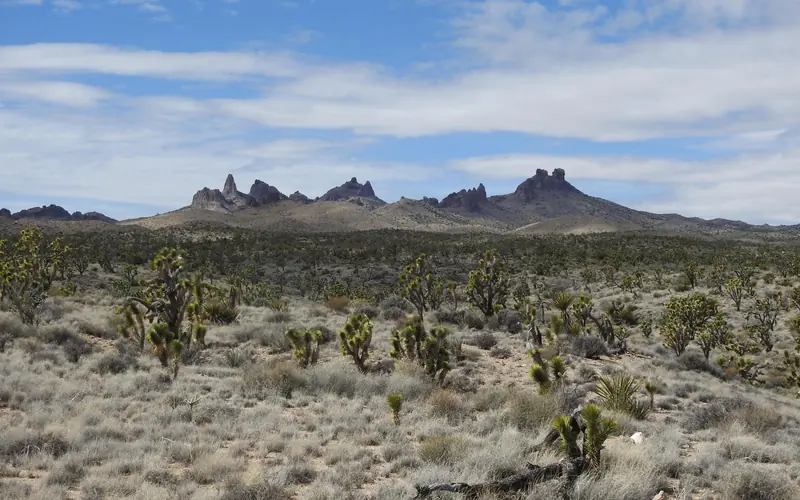
Castle Mountains represents some of the most unique elements of the Mojave Desert. Nestled between the Nevada state line and Mojave National Preserve, the nearly 21,000 acres of Castle Mountains boasts Joshua tree forests, unbroken natural landscapes, rare desert grasslands, and rich human history. This intriguing area provides serenity and solitude from nearby metropolitan areas.
Weather
Weather at Castle Mountains changes with the seasons. Freezing temperatures are expected in winter, with occasional snow. Spring brings mild warm days and cooler nights. With enough rain, wildflowers can carpet the area, making for spectacular displays. Summer months are much hotter, with temperatures nearing 100 degrees Fahrenheit. Strong monsoonal storms in late summer may cause flash-flooding in low-lying areas and can create hazardous road conditions. Fall is a cooler respite after the heat of summer.