Flooding is the standout environmental risk at Pearl Harbor National Memorial, with 14 combined flash flood and flood events recorded in the county — including 8 flash floods alone — plus a debris flow that underscores how quickly heavy rain can turn dangerous on Oʻahu's terrain. Honolulu County also logged a violent crime rate of 244.4 per 100,000 in 2023, making situational awareness in parking areas and crowded visitor zones genuinely worthwhile.
When rain moves in, avoid low-lying pathways and any route that crosses drainage channels, as flash floods here develop with little warning. Wear grip-sole shoes rather than sandals — wet memorial grounds and debris-slicked walkways are a slip hazard after downpours. Keep valuables locked in your vehicle's trunk before entering the memorial, and park in well-trafficked, well-lit lots to reduce the chance of a smash-and-grab in a busy tourist corridor.
Top recorded hazards in Honolulu County
County dataFrom NOAA Storm Events (2024). Counts of recorded incidents — not all occurred at this park.
- Flash Flood 8
- Flood 5
- Debris Flow 1
- Heavy Rain 1
Gear keyed to this park's risks
Recommendations driven by the actual hazards above. As an Amazon Associate we earn from qualifying purchases.
Own this campground? Get featured.
Premium listing slots for verified owners — show photos, amenity details, and direct booking links above the standard data card. Drop your contact info and we'll reach out.
About Pearl Harbor National Memorial
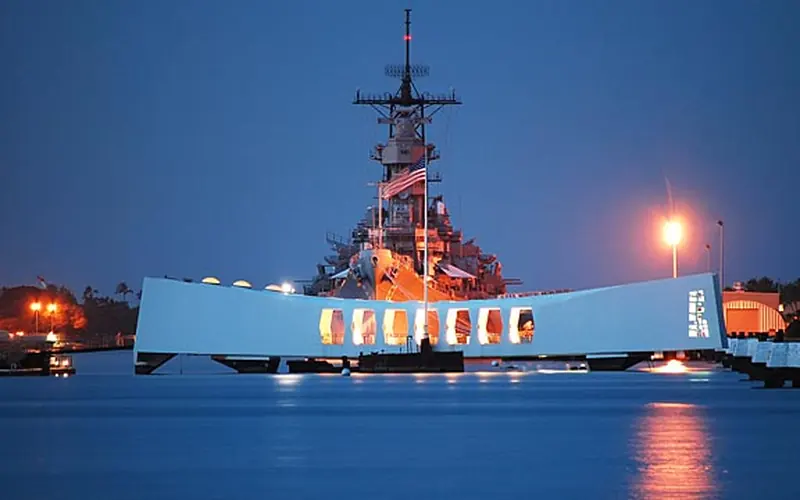
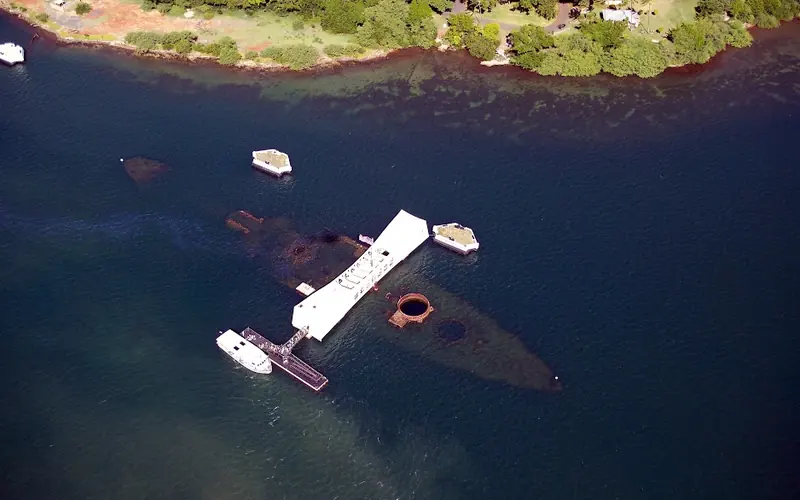
At Pearl Harbor National Memorial, we honor the lives affected by the December 7, 1941, attack. This pivotal moment in global history marked the United States' entry into World War II, impacting nations and communities worldwide. Join us in reflecting on this shared history and its lasting significance in the pursuit of peace.
Weather
Hawaii has two seasons – winter (ho'oilo) and summer (kau wela) – and temperatures don't change drastically the way they do in the mainland United States. During the day, expect temperatures in the mid-70s to the mid-80s all year around. Expect lows in the winter months (November to March) to be around 60 degrees. The Hawaiian winter is also considered the rainy season, and flash floods are not uncommon. You can expect to see lots of rainbows as the rain clears.