Flooding is the sharpest natural hazard to plan around at Missouri National Recreational River, where hail, thunderstorm winds, and river flooding have all been recorded in Knox County — including 1 flood event serious enough to make the county hazard log. The river corridor can rise quickly after upstream storms, sometimes well before skies overhead turn threatening, making water-level awareness the most critical factor for a safe visit.
Before launching a kayak or setting up a riverside camp, check the USGS river gauge for the Missouri River at Verdel, NE (available free online and via the NWS app) and note your campsite's elevation above the waterline. Pack a waterproof dry bag for sleeping gear and keep your tent at least 50 feet above the current bank. If afternoon thunderstorms roll in — a common trigger for rapid rises — move your gear uphill immediately and wait for skies to fully clear before returning to the water's edge.
Top recorded hazards in Knox County
County dataFrom NOAA Storm Events (2024). Counts of recorded incidents — not all occurred at this park.
- Hail 6
- Thunderstorm Wind 3
- Flood 1
Gear keyed to this park's risks
Recommendations driven by the actual hazards above. As an Amazon Associate we earn from qualifying purchases.
Own this campground? Get featured.
Premium listing slots for verified owners — show photos, amenity details, and direct booking links above the standard data card. Drop your contact info and we'll reach out.
About Missouri National Recreational River
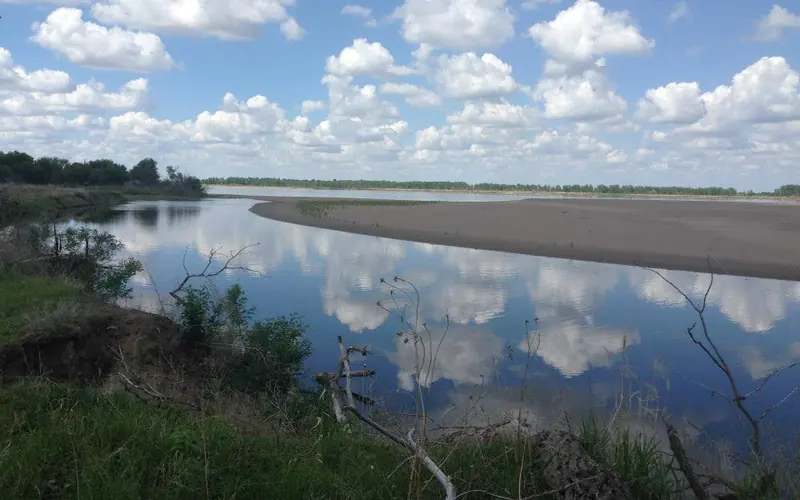
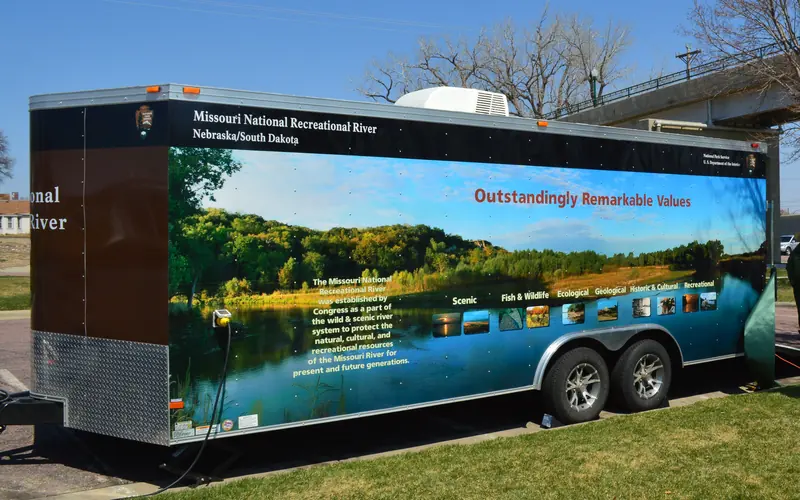
Imagine a 100-mile stretch of North America's longest river, a vestige of the untamed American West. The Missouri National Recreational River is where imagination meets reality. Two free flowing stretches of the Missouri make up the National Park. Relive the past by exploring the wild, untamed and mighty river that continues to flow as nature intended.
Weather
Rapid weather changes are common along the Missouri National Recreational River corridor. Variations from season to season and from year to year are great. Characteristics of the climate are hot summers and cold winters. Sunshine is abundant, particularly in the summer months. Average annual rainfall is 25 inches. Thunderstorms can be dangerous and visitors should be prepared for them, especially from June until late August. Winter snowfall averages 34 inches annually.