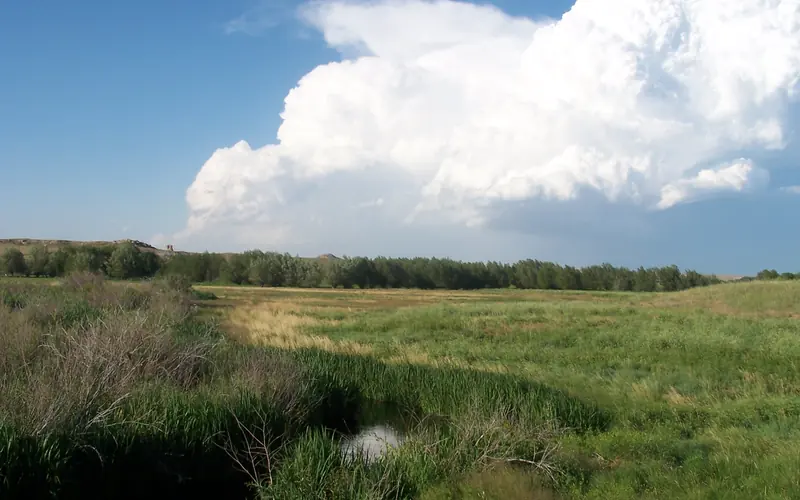
Thunderstorm wind is the standout hazard at Agate Fossil Beds, with 6 recorded high-wind events in Sioux County driving the weather risk profile here. These storms roll across the open Nebraska panhandle with little warning, and the monument's exposed terrain offers almost no natural shelter. Hail has accompanied 3 of those storm systems, adding a secondary threat that can arrive fast and hit hard.
When a storm builds on the horizon, get your vehicle between yourself and the wind immediately — tents offer no meaningful protection against the gusts recorded here. Pack a portable weather radio or download an offline alert app before you lose cell signal on the drive in, since the monument sits in a rural dead zone. If hail is possible, relocate your vehicle under any available overhang at the visitor center rather than leaving it in open parking.
Top recorded hazards in Sioux County
County dataFrom NOAA Storm Events (2024). Counts of recorded incidents — not all occurred at this park.
- Thunderstorm Wind 6
- Hail 3
Gear keyed to this park's risks
Recommendations driven by the actual hazards above. As an Amazon Associate we earn from qualifying purchases.
Own this campground? Get featured.
Premium listing slots for verified owners — show photos, amenity details, and direct booking links above the standard data card. Drop your contact info and we'll reach out.
About Agate Fossil Beds National Monument
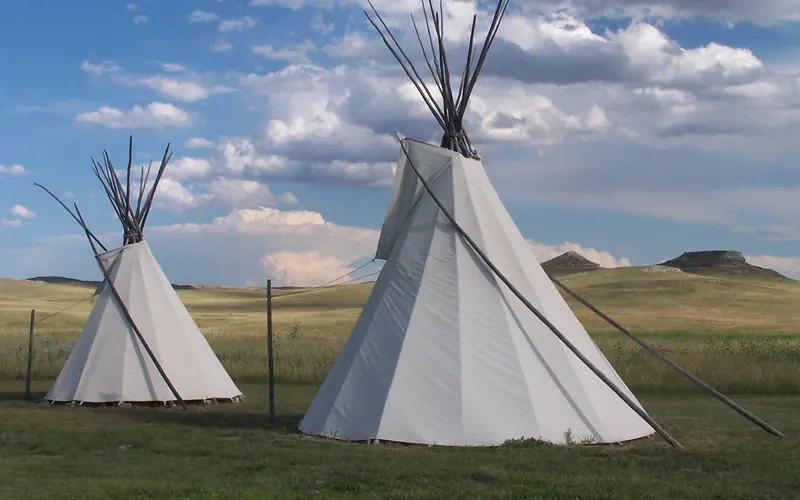
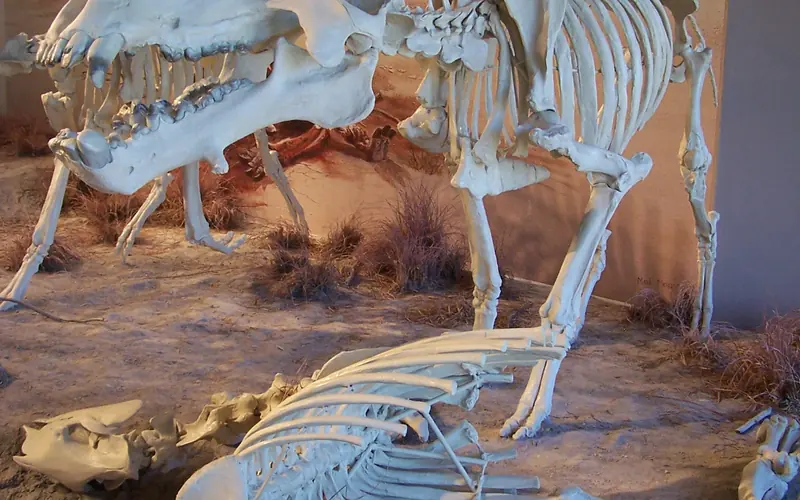
In the early 1900s, paleontologists unearthed the Age of Mammals when they found full skeletons of extinct Miocene mammals in the hills of Nebraska -- species previously only known through fragments. At the same time, an age of friendship began between rancher James Cook and Chief Red Cloud of the Lakota. These two unprecedented events are preserved and protected here... at Agate Fossil Beds.
Weather
Summers can be very warm, high 90's to 100 with the frequent afternoon thunderstorms. Plan to hike early and come down from the higher points if storms threaten. Winter temperatures can dip as low as -20 with snow and wind. Heaviest snows can be expected in late Spring.