Severe winter weather is the defining safety concern at Lake Clark National Park & Preserve, with 85 recorded blizzards and 77 high-wind events driving a hazard total of nearly 258 incidents in the state data. Those storms don't just reduce visibility to zero — they strand visitors for days in a park where road access doesn't exist and evacuation depends entirely on small aircraft that can't fly in whiteout conditions. Combined with 43 winter storms and 31 heavy-snow events, the window for dangerous conditions stretches well beyond what most Lower-48 campers expect.
Before you go, file a detailed trip plan with a contact outside the park and with the park service, including expected return dates. Pack a minimum three-day emergency supply of food, a satellite communicator like a Garmin inReach for SOS capability, and a four-season tent rated for high wind loads — standard three-season shelters collapse under blizzard gusts in this region. Waterproof layering systems rather than down insulation are critical, since Alaskan storms bring wet, heavy snow that saturates fill quickly.
Top recorded hazards in Alaska
State dataFrom NOAA Storm Events (2024). Counts of recorded incidents — not all occurred at this park.
- Blizzard 85
- High Wind 77
- Winter Storm 43
- Heavy Snow 31
- Flood 28
- Winter Weather 19
Gear keyed to this park's risks
Recommendations driven by the actual hazards above. As an Amazon Associate we earn from qualifying purchases.
Own this campground? Get featured.
Premium listing slots for verified owners — show photos, amenity details, and direct booking links above the standard data card. Drop your contact info and we'll reach out.
About Lake Clark National Park & Preserve
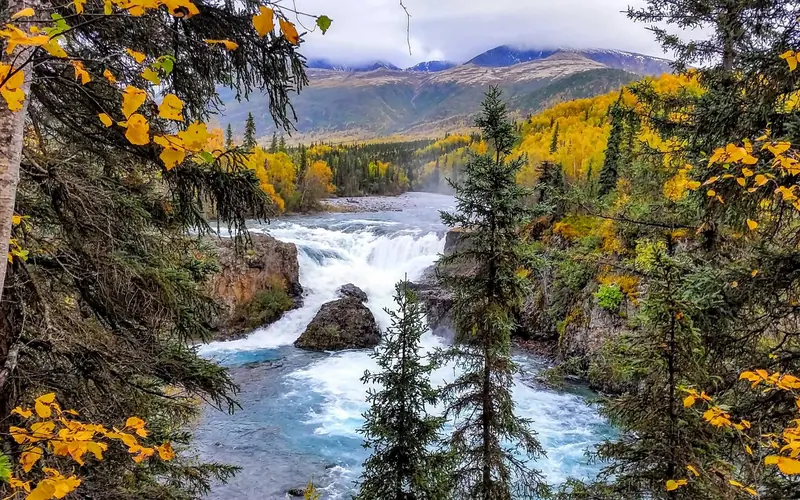
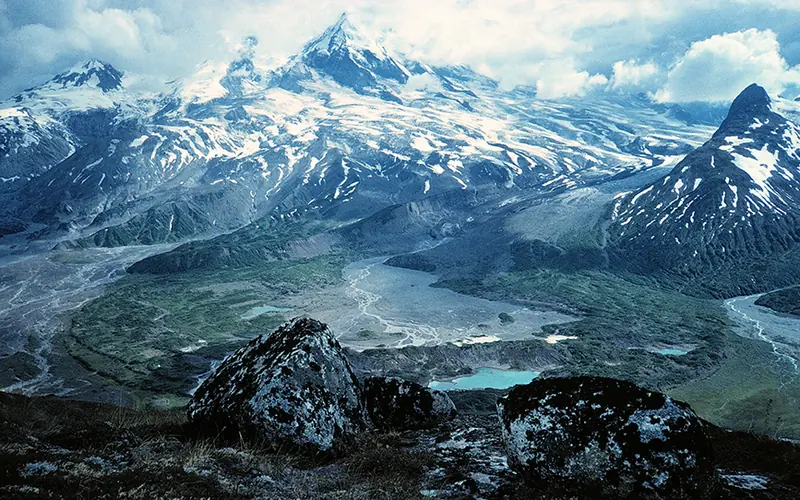
Lake Clark National Park and Preserve is a land of stunning beauty. Volcanoes steam, salmon run, bears forage, and craggy mountains reflect in shimmering turquoise lakes. Here, too, local people and culture still depend on the land and water. Venture into the park to become part of the wilderness.
Weather
Lake Clark has two distinct climate areas: the coast and the interior. The coast is wetter and experiences milder temperatures. The interior gets half to one fourth as much precipitation, but temperatures are hotter in summer and colder in winter. Frost and snow can occur any time parkwide, but are most common from September to early June. Lakes here typically begins freezing in November and melting in April. Ice conditions dictate whether planes need floats or skis to land on lakes.