The dominant safety concern at the Iñupiat Heritage Center isn't weather — it's the surrounding community's crime environment. North Slope Borough recorded a violent crime rate of 739.7 per 100,000 residents in 2023, nearly five times the national average, making personal security the most important factor for visiting families to consider before and during their trip to Barrow/Utqiaġvik.
Because this is an urban cultural site rather than a wilderness campground, treat it accordingly: research lodging options carefully and choose well-reviewed, centrally located accommodations rather than isolated or budget spots on the outskirts of town. Keep valuables locked in your vehicle or secured in your room, and plan your arrival and departure during daylight hours. If you're traveling with kids, stay oriented to the center itself and confirmed nearby attractions rather than wandering unfamiliar neighborhoods.
Top recorded hazards in North Slope Borough
County dataFrom NOAA Storm Events (2024). Counts of recorded incidents — not all occurred at this park.
- Heavy Rain 1
Gear keyed to this park's risks
Recommendations driven by the actual hazards above. As an Amazon Associate we earn from qualifying purchases.
Own this campground? Get featured.
Premium listing slots for verified owners — show photos, amenity details, and direct booking links above the standard data card. Drop your contact info and we'll reach out.
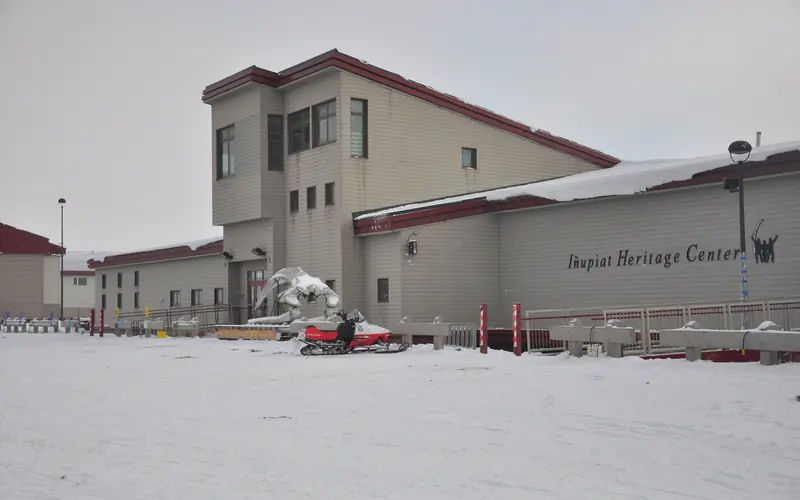
About Iñupiat Heritage Center
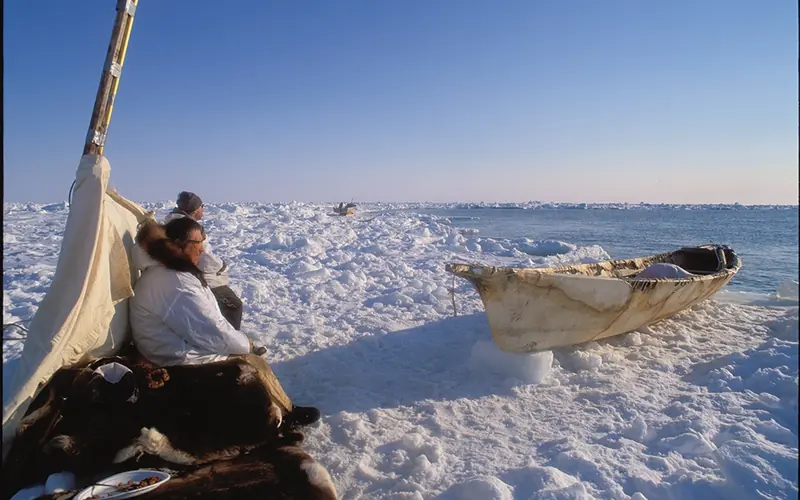
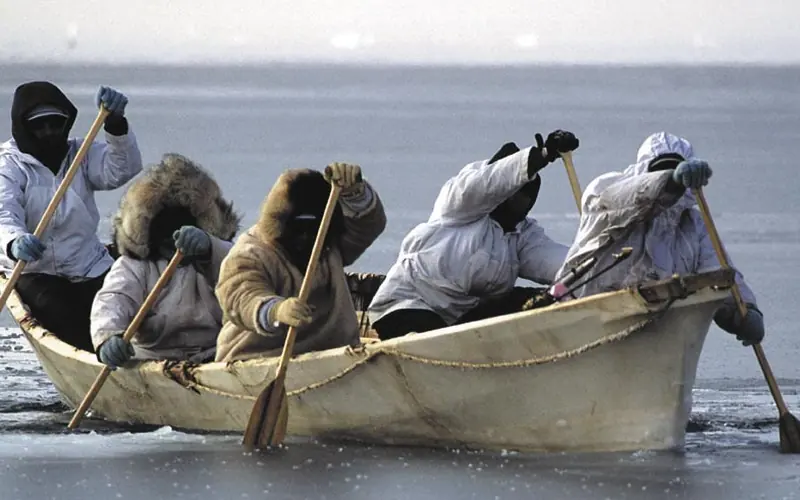
On the rooftop of the world, the Iñupiat Heritage Center in Barrow, Alaska, tells the story of the Iñupiat people. They have thrived for thousands of years in one of the most extreme climates on Earth, hunting the bowhead, or "Agviq." In the 19th century, the quiet northern seas swarmed with commercial whalemen from New England, who also sought the bowhead for its valuable baleen and blubber.
Weather
Owing to its location 320 miles (515 km) north of the Arctic Circle, Barrow's climate is cold and dry, classified as a polar climate (Köppen ET). Winter weather can be extremely dangerous because of the combination of cold and wind, while summers are cool even at their warmest.