Severe winter weather is the defining safety concern at Glacier Bay National Park & Preserve, with 85 recorded blizzards and 77 high-wind events logged across Alaska's hazard data — numbers that reflect just how fast conditions here can turn dangerous. Those storms have contributed to 2 deaths and 4 injuries in the recorded period, and flooding adds a secondary threat with 28 flood events on record.
Before heading out, check the National Weather Service marine and mountain forecasts the morning of any excursion, since winds can ground boats and close trails with little warning. Pack a four-season tent rated for high-wind anchoring, and carry waterproof dry bags for all electronics and clothing — flooding and blizzard-driven moisture will compromise standard gear quickly. If a blizzard warning is issued, stay at your established camp rather than attempting to reach the visitor center or dock.
Top recorded hazards in Alaska
State dataFrom NOAA Storm Events (2024). Counts of recorded incidents — not all occurred at this park.
- Blizzard 85
- High Wind 77
- Winter Storm 43
- Heavy Snow 31
- Flood 28
- Winter Weather 19
Gear keyed to this park's risks
Recommendations driven by the actual hazards above. As an Amazon Associate we earn from qualifying purchases.
Own this campground? Get featured.
Premium listing slots for verified owners — show photos, amenity details, and direct booking links above the standard data card. Drop your contact info and we'll reach out.
About Glacier Bay National Park & Preserve
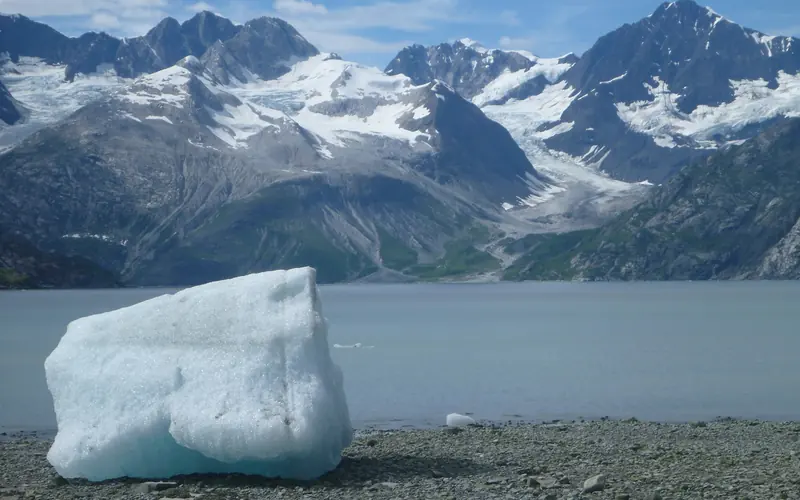
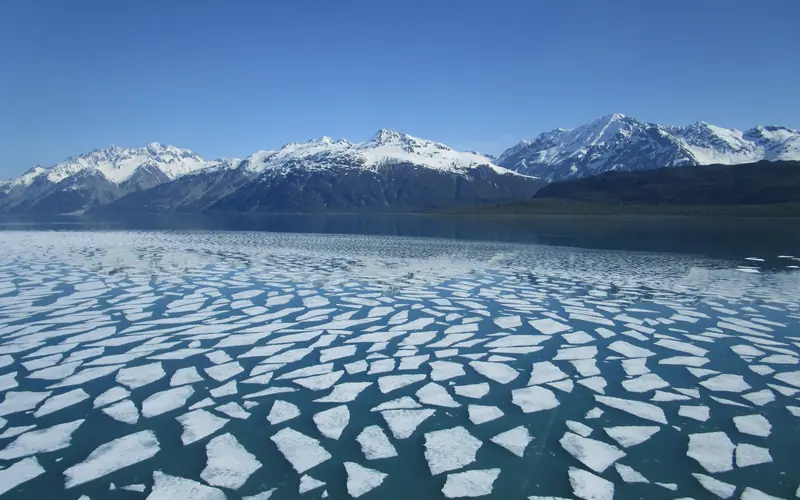
Covering 3.3 million acres of rugged mountains, dynamic glaciers, temperate rainforest, wild coastlines and deep sheltered fjords, Glacier Bay National Park and Preserve is known as Homeland to the Huna and Yakutat Lingít, and is a highlight of Alaska's Inside Passage. From sea to summit, Glacier Bay offers limitless opportunities for adventure and inspiration.
Weather
Summer temperatures average 50° to 60° F (10° to 15° C). Rain is the norm in lush southeast Alaska. It is best to be prepared to enjoy the park in any kind of weather, especially rain. Suggested clothing includes waterproof boots, rain gear, a hat, gloves, wool or pile layers or a warm coat. Good rain gear is essential here. April, May and June are usually the driest months of the year. September and October tend to be the wettest.