Flash flooding is the sharpest weather threat at Voyageurs National Park, with 32 recorded flash flood events in St. Louis County compounding 39 hail storms and 15 thunderstorm wind events in the same period. These storms can descend quickly across the interconnected waterways that define the park, turning calm lake crossings into genuinely dangerous situations with little warning.
If you're paddling or boating between campsites — the primary way to get around here — download a radar app like MyRadar before you leave cell range and check it each morning before launching. Pack a dry bag with your phone, a whistle, and a waterproof emergency poncho in every watercraft. If you see anvil-shaped clouds building to the west, pull to the nearest shoreline immediately rather than racing for your campsite; no crossing is worth riding out a hail-and-wind squall on open water.

Top recorded hazards in St. Louis County
County dataFrom NOAA Storm Events (2024). Counts of recorded incidents — not all occurred at this park.
- Hail 39
- Flash Flood 32
- Thunderstorm Wind 15
- Flood 3
- Tornado 2
Gear keyed to this park's risks
Recommendations driven by the actual hazards above. As an Amazon Associate we earn from qualifying purchases.
Own this campground? Get featured.
Premium listing slots for verified owners — show photos, amenity details, and direct booking links above the standard data card. Drop your contact info and we'll reach out.
About Voyageurs National Park
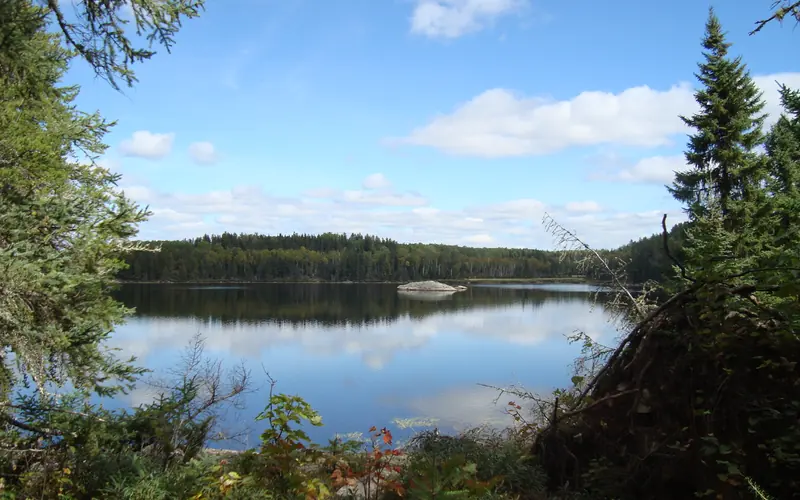
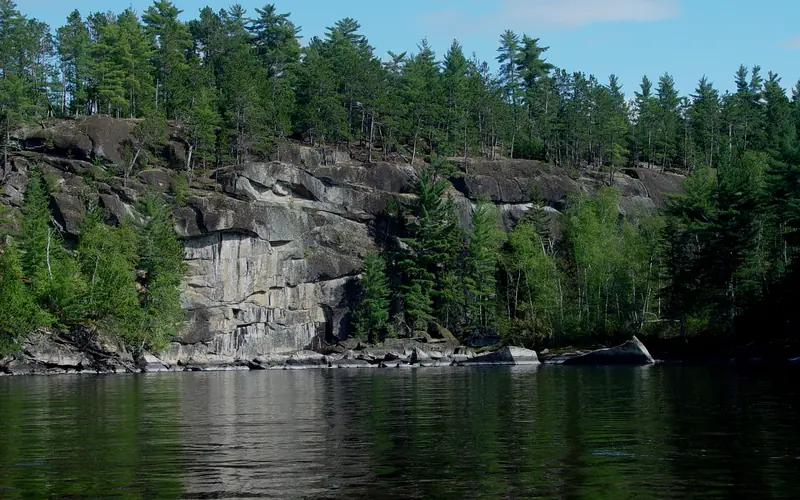
Voyageurs National Park spans 218,000 acres of lakes, forests, and streams in northern Minnesota. Established in 1975, the park is named after the French-Canadian Voyageurs who once navigated these abundant waters. Voyageurs National Park provides exceptional opportunities for recreation and exploration amidst landscapes rich in natural beauty, history, and cultural heritage.
Weather
There are four distinct seasons in Voyageur country. During June, July, and August periods of fine, mild weather prevail. The frost-free season averages 120 days from June to mid-September. The average ice-out date is May 3. The first measurable snowfall occurs in late October and the last in late April or early May.