The clearest risk at Ozark National Scenic Riverways is flooding. Shannon County recorded 4 flood events, 2 flash floods, and 3 tornado episodes in recent data, all compounded by 7 thunderstorm wind events — meaning fast-moving storms can turn calm river conditions dangerous in minutes. With a violent crime rate of 473.6 per 100,000 in 2023, the surrounding county also warrants attention, particularly at remote river-access points after dark.
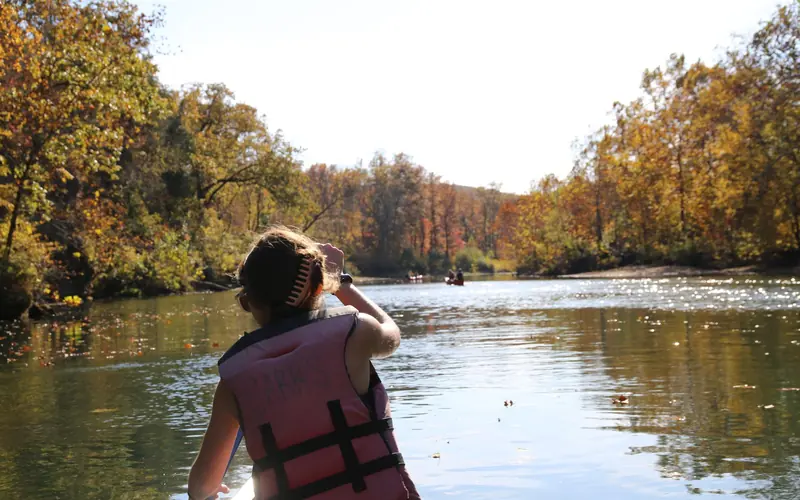
When planning your float trip or riverside campsite, check the Current and Jacks Fork river gauges on the USGS Water Resources site the morning of your outing and set a turn-back threshold before you launch. Pack a waterproof dry bag for phones and documents, and choose campsites on higher ground well away from the flood plain. For personal safety, camp in established sites with neighbors nearby rather than isolated gravel bars, and keep valuables locked in your vehicle.
Top recorded hazards in Shannon County
County dataFrom NOAA Storm Events (2024). Counts of recorded incidents — not all occurred at this park.
- Thunderstorm Wind 7
- Flood 4
- Tornado 3
- Heavy Rain 3
- Hail 2
- Flash Flood 2
Gear keyed to this park's risks
Recommendations driven by the actual hazards above. As an Amazon Associate we earn from qualifying purchases.
Own this campground? Get featured.
Premium listing slots for verified owners — show photos, amenity details, and direct booking links above the standard data card. Drop your contact info and we'll reach out.
About Ozark National Scenic Riverways
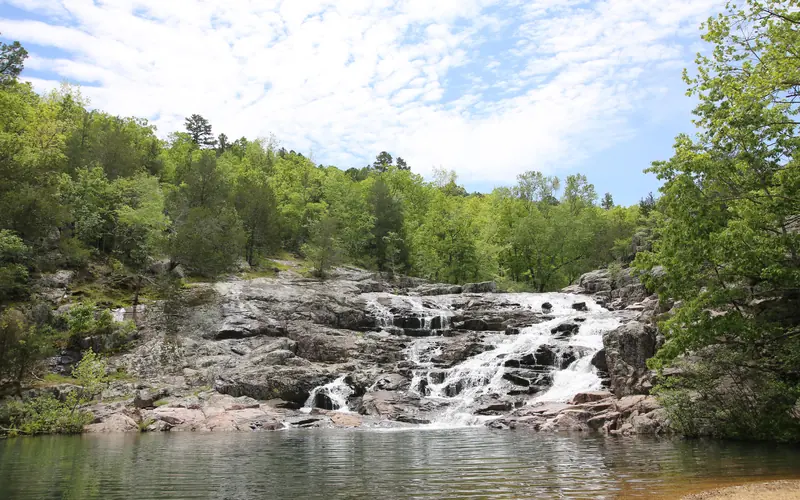
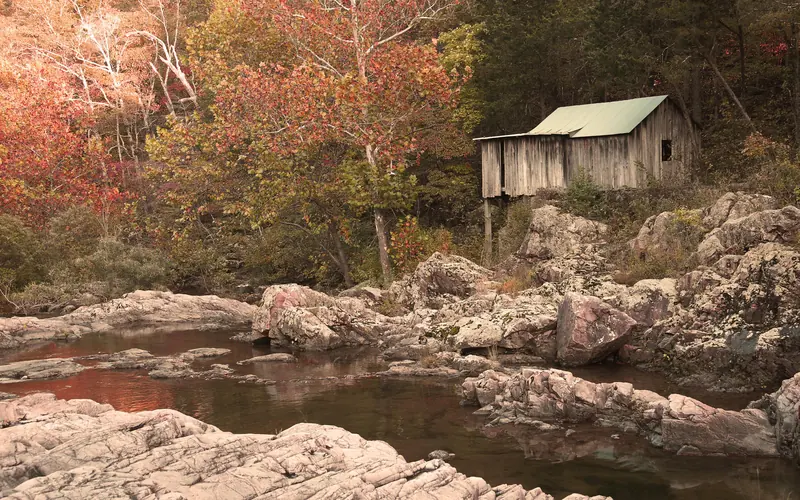
Ozark National Scenic Riverways is the first national park area to protect a river system. The Current and Jacks Fork rivers are two of the finest floating rivers found anywhere. Spring-fed, cold and clear: they are a delight to canoe, swim, boat, or fish. Besides these two famous rivers, the park is home to hundreds of freshwater springs, caves, trails, and historic sites such as Alley Mill.
Weather
Ozark National Scenic Riverways is located in southeastern Missouri. Summer temperatures generally range from 75-100 degrees (°F) with high humidity. Winter temperatures generally range from 0-50 (°F) degrees with periods of intermittent freezing and snow. Periods of excessive heat are typical in summer, while heavy rains or flooding can occur throughout the year. Be sure to plan accordingly when camping, hiking, or floating.