Severe hail is the standout hazard at Nicodemus National Historic Site, with Graham County recording 10 hail events and 7 thunderstorm wind incidents in recent years. Kansas's open plains give storms little resistance, meaning hail can arrive fast and hit hard, damaging vehicles and exposed gear without much warning.
Before heading out, check the Storm Prediction Center's outlook for Graham County specifically — spring and summer afternoons carry the highest risk. Keep a tarp or moving blankets in your vehicle to drape over your windshield if large hail threatens, and identify the nearest substantial structure on-site where you can shelter when thunder begins. Since the site has limited natural wind breaks, don't wait for the storm to arrive before moving indoors; a distant anvil cloud on the horizon is your cue to act.
Top recorded hazards in Graham County
County dataFrom NOAA Storm Events (2024). Counts of recorded incidents — not all occurred at this park.
- Hail 10
- Thunderstorm Wind 7
Gear keyed to this park's risks
Recommendations driven by the actual hazards above. As an Amazon Associate we earn from qualifying purchases.
Own this campground? Get featured.
Premium listing slots for verified owners — show photos, amenity details, and direct booking links above the standard data card. Drop your contact info and we'll reach out.
About Nicodemus National Historic Site
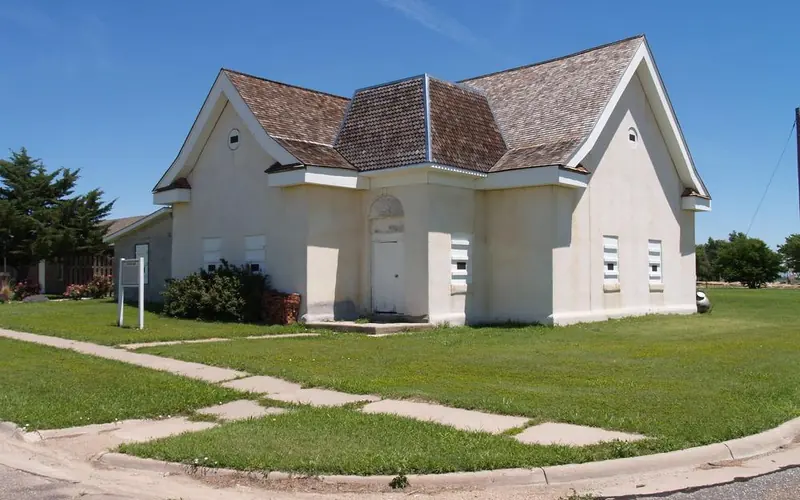
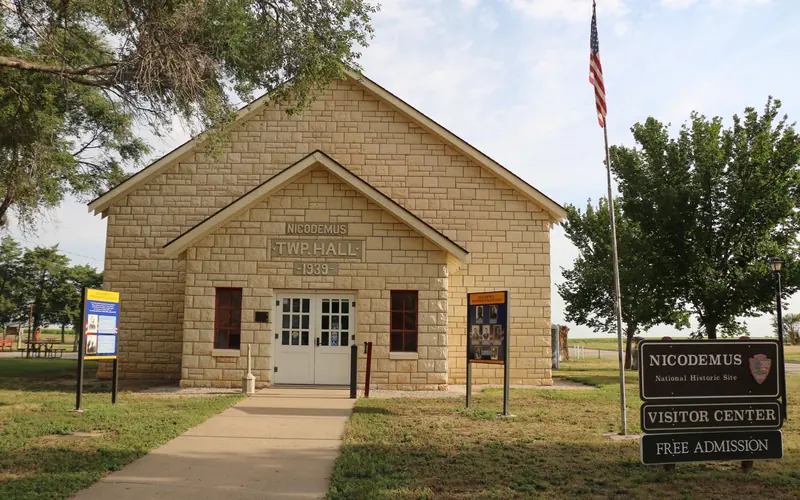
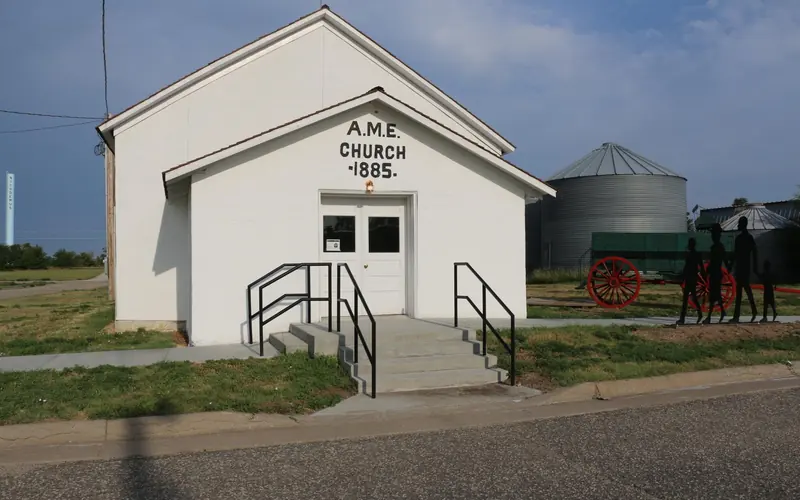
Formerly enslaved African Americans left Kentucky at the end of the post-Civil War Reconstruction period to experience freedom in the "Promised Land" of Kansas. Nicodemus represents the involvement of African Americans in the homesteading movement across the Great Plains. It is the oldest remaining Black settlement west of the Mississippi River.
Weather
Northwest Kansas has a four-season climate typified by long, hot summers, cold winters, short spring and fall seasons, and a nearly constant breeze. Humidity is relatively low compared to the eastern portion of the state. Afternoon thunderstorms with lightning, hail, and gusty winds frequently occur during the spring and summer. Tornados are possible but are less common in Kansas than they are in several other states. Snow accumulation from winter blizzards occasionally causes site to close.