Flash flooding is the sharpest danger facing visitors to Glen Canyon National Recreation Area, with 7 recorded flash flood events in Coconino County driving the area's hazard profile. These floods can roar through slot canyons and ravines with almost no warning, and the surrounding desert terrain funnels runoff with brutal speed. The county also logged thunderstorm wind, hail, and even two tornadoes, making summer storm activity a genuine multi-layered threat.
Before heading out on the water or into any canyon, check the National Weather Service forecast for Page, AZ, and watch specifically for upstream storm activity — not just conditions overhead. Carry a weather radio or download an offline alert app, since cell service is unreliable throughout much of the recreation area. If dark clouds build to the southwest, move immediately to high ground well above canyon rims and wait at least 30 minutes after the last thunder before returning to low-lying areas.
Top recorded hazards in Coconino County
County dataFrom NOAA Storm Events (2024). Counts of recorded incidents — not all occurred at this park.
- Flash Flood 7
- Hail 3
- Tornado 2
- Thunderstorm Wind 2
- Heavy Rain 1
- Lightning 1
Gear keyed to this park's risks
Recommendations driven by the actual hazards above. As an Amazon Associate we earn from qualifying purchases.
Own this campground? Get featured.
Premium listing slots for verified owners — show photos, amenity details, and direct booking links above the standard data card. Drop your contact info and we'll reach out.
About Glen Canyon National Recreation Area
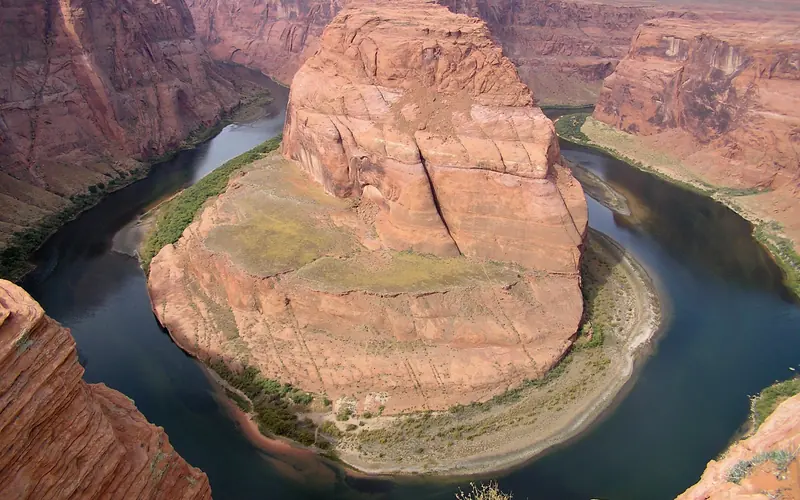
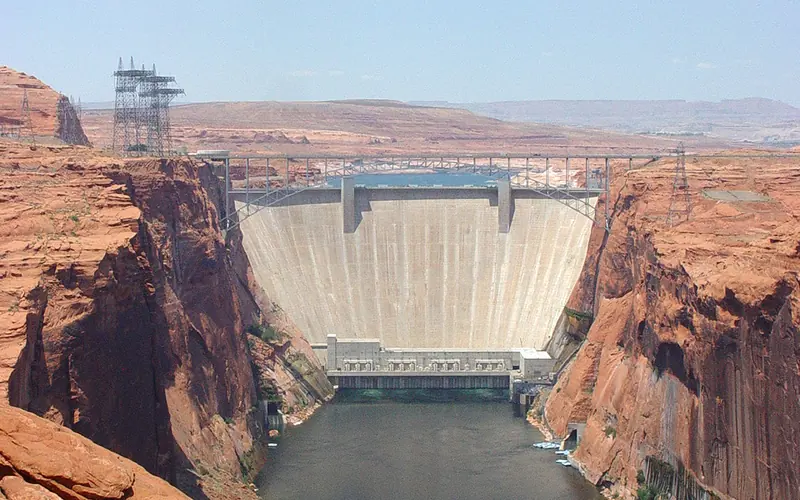
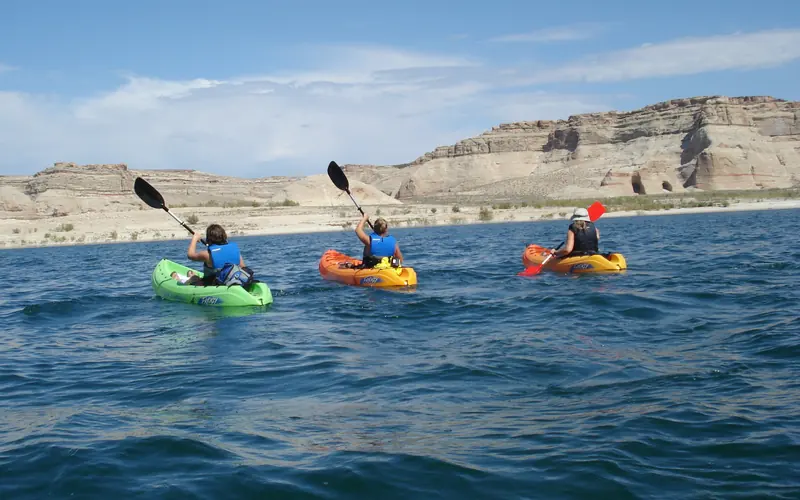
Encompassing over 1.25 million acres, Glen Canyon National Recreation Area offers unparalleled opportunities for water-based & backcountry recreation. The recreation area stretches for hundreds of miles from Lees Ferry in Arizona to the Orange Cliffs of southern Utah, encompassing scenic vistas, geologic wonders, and a vast panorama of human history.
Weather
The weather in Glen Canyon National Recreation Area is usually typical for the high deserts. Summers are extremely hot with little, if any, shade. Winters are moderately cold with night time lows often below freezing. Spring weather is highly variable and unpredictable with extended periods of winds. Fall weather is usually nice and mild, a great time to beat the heat (and the crowds!).