Thunderstorm wind is the sharpest weather threat at Fort Union Trading Post, with 5 recorded wind events in Williams County joined by 3 hail incidents and 2 funnel cloud sightings in the same period. These storms roll across the open North Dakota plains with little warning, making the site's exposed riverside terrain particularly vulnerable during summer afternoons.
When severe weather builds on the horizon, move your vehicle away from the historic post's tall stone walls and tree lines, which can shed debris in high winds. Pack a NOAA weather radio or download the Wireless Emergency Alerts app before arrival, since cellular signals are unreliable this far into the Missouri River backcountry. If hail begins, shelter inside your hard-sided vehicle rather than a tent, and wait out any funnel cloud activity before resuming outdoor exploration.

Top recorded hazards in Williams County
County dataFrom NOAA Storm Events (2024). Counts of recorded incidents — not all occurred at this park.
- Thunderstorm Wind 5
- Hail 3
- Funnel Cloud 2
Gear keyed to this park's risks
Recommendations driven by the actual hazards above. As an Amazon Associate we earn from qualifying purchases.
Own this campground? Get featured.
Premium listing slots for verified owners — show photos, amenity details, and direct booking links above the standard data card. Drop your contact info and we'll reach out.
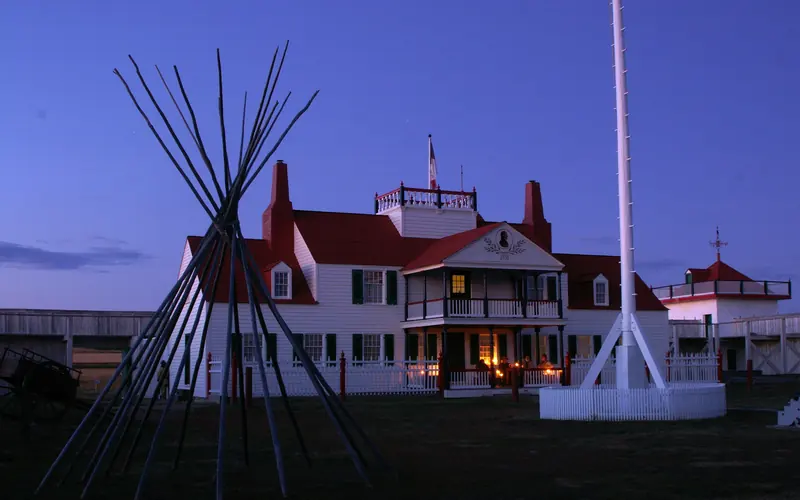
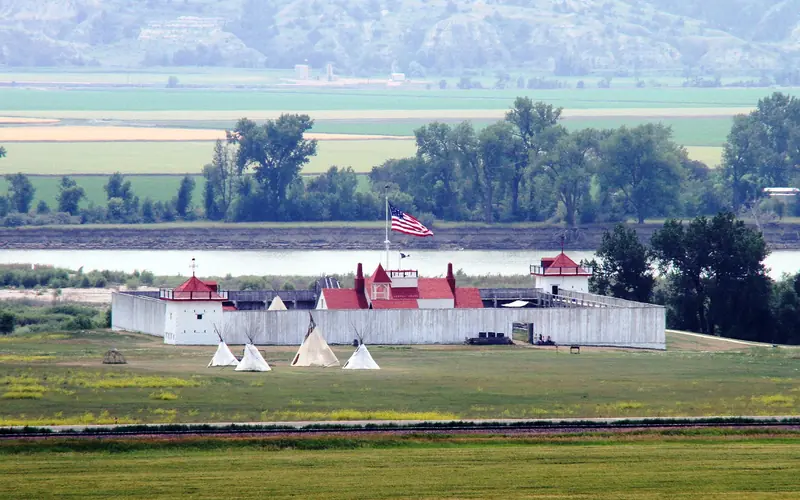
About Fort Union Trading Post National Historic Site
Between 1828 and 1867, Fort Union was the most important fur trade post on the Upper Missouri River. Here, the Assiniboine and six other Northern Plains Tribes exchanged buffalo robes and smaller furs for goods from around the world, including cloth, guns, blankets, and beads. A bastion of peaceful coexistence, the post annually traded over 25,000 buffalo robes and $100,000 in merchandise.
Weather
Weather in western North Dakota can be harsh, with extremes in temperature and sudden, violent storms. Be prepared for rapidly changing conditions. Summers are warm with average high temperatures in the 80s-90s May through September. Winters are cold with average lows in the single digits December through February. Wind is considerable year-round. Conditions can change quickly. Travelers should be aware of the potential for violent thunderstorms in the summer and the possibility of blizzards.