Thunderstorm winds are the standout natural hazard at Fort Frederica, with 6 recorded events in Glynn County driving the local weather risk profile. These fast-moving storms roll in off the Georgia coast with little warning, making open areas and waterfront spots near the monument particularly exposed during summer afternoons.
Before heading out, download a radar app like MyRadar and set it to alert you when storms are within 30 miles — coastal Georgia storms can organize and intensify quickly. Keep a weighted ground tarp and extra stakes in your kit, since standard tent pegs pull loose easily in the sandy coastal soil during high-wind events. If you're day-tripping from a nearby campground, identify the nearest solid shelter structure at the monument before you start exploring, so you're not scrambling when skies darken.

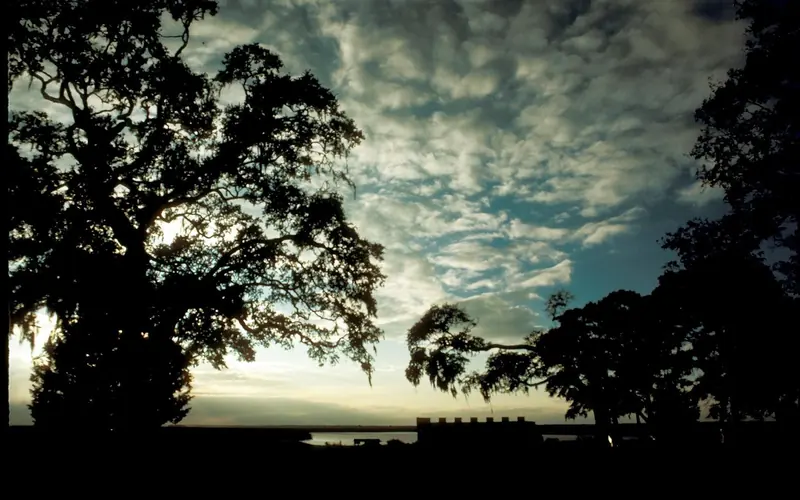

Top recorded hazards in Glynn County
County dataFrom NOAA Storm Events (2024). Counts of recorded incidents — not all occurred at this park.
- Thunderstorm Wind 6
- Funnel Cloud 1
Gear keyed to this park's risks
Recommendations driven by the actual hazards above. As an Amazon Associate we earn from qualifying purchases.
Own this campground? Get featured.
Premium listing slots for verified owners — show photos, amenity details, and direct booking links above the standard data card. Drop your contact info and we'll reach out.
About Fort Frederica National Monument
War was imminent as James Oglethorpe established Fort Frederica in 1736, to help protect the British colonies from the Spanish in Florida. Fort Frederica illustrates the story of the War of Jenkins Ear (1739-1748) and how its British defenders fought off the Spanish Army. Today, archeology has uncovered the story of the 1,000 people that once lived here.
Weather
The site enjoys mild climate from fall through early summer, followed by hot, humid summers.