The clearest safety concern at Cumberland Gap isn't the weather — it's the surrounding community. Lee County reported a violent crime rate of 243.1 per 100,000 residents in 2023, which runs meaningfully above rural Virginia averages. While the park itself recorded only 8 weather incidents with zero injuries, the trailhead parking areas and roadside pullouts put visitors in closer contact with local corridors where that risk is concentrated.
When you arrive, keep valuables locked in your vehicle or, better yet, stored out of sight in your RV or tow vehicle rather than left in a visible daypack. Park in well-trafficked, designated lots rather than isolated pull-offs, especially after dark. For the flash flood and thunderstorm wind events the data does show, check the NWS forecast before hiking the Wilderness Road Trail — the gap's ridge terrain channels storms quickly, and a weather radio or offline forecast app gives you a 30-minute head start on shelter decisions.

Top recorded hazards in Lee County
County dataFrom NOAA Storm Events (2024). Counts of recorded incidents — not all occurred at this park.
- Thunderstorm Wind 4
- Flash Flood 3
- Hail 1
Gear keyed to this park's risks
Recommendations driven by the actual hazards above. As an Amazon Associate we earn from qualifying purchases.
Own this campground? Get featured.
Premium listing slots for verified owners — show photos, amenity details, and direct booking links above the standard data card. Drop your contact info and we'll reach out.
About Cumberland Gap National Historical Park
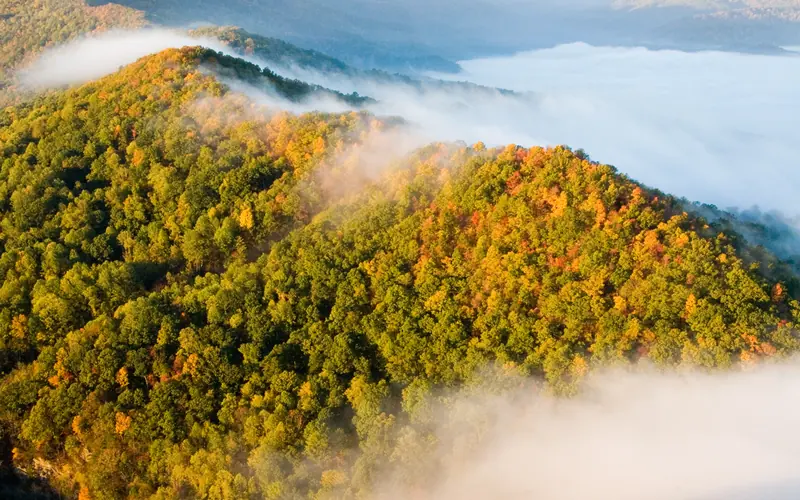
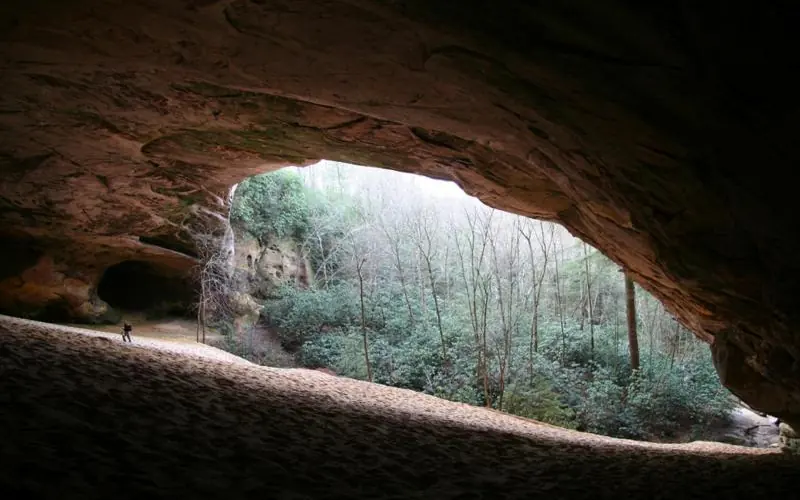
Cumberland Gap was the first great gateway to the west. Come follow the path of bison, Native Americans, longhunters, and pioneers. Walk where 300,000 people crossed the Appalachians to settle America. Explore 85 miles of trails and 14,000 acres of wilderness. Stand in 3 states at once. Explore a cave, see Hensley Settlement, or camp under the stars. Come find your connection to Cumberland Gap.
Weather
Summers at Cumberland Gap are hot and humid, with temperatures commonly in the mid to upper 90s. Winters are generally mild with rain and some periods of snow January through March. Temperatures usually range in the 30s and 40s. Weather can sometimes be unpredictable, especially at higher elevations.