The primary safety consideration at Camp Nelson National Monument isn't weather — it's the surrounding area's crime rate, with Jessamine County reporting 231.8 violent crimes per 100,000 residents in 2023, a figure notably higher than Kentucky's rural average. While the monument's recorded natural hazards are minimal (just two tornado and two thunderstorm wind events on record), the human-safety picture warrants attention for families planning an overnight stay.
Keep valuables locked in your vehicle or RV rather than visible at your campsite, and use a steering-wheel club or hitch lock if you're towing — both are effective deterrents in higher-crime fringe areas. Park in well-lit spots close to other campers when possible, and program the Jessamine County Sheriff's non-emergency line (859-885-4139) into your phone before you arrive so you have a direct contact if something feels off.
Top recorded hazards in Jessamine County
County dataFrom NOAA Storm Events (2024). Counts of recorded incidents — not all occurred at this park.
- Tornado 2
- Thunderstorm Wind 2
Gear keyed to this park's risks
Recommendations driven by the actual hazards above. As an Amazon Associate we earn from qualifying purchases.
Own this campground? Get featured.
Premium listing slots for verified owners — show photos, amenity details, and direct booking links above the standard data card. Drop your contact info and we'll reach out.
About Camp Nelson National Monument
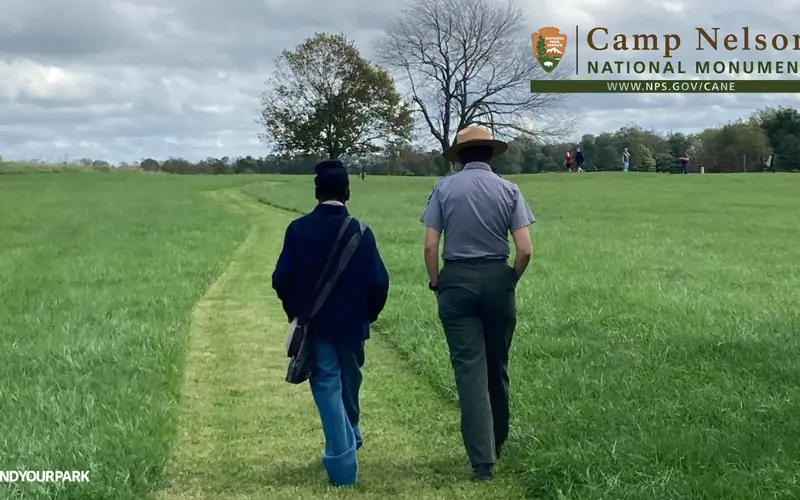
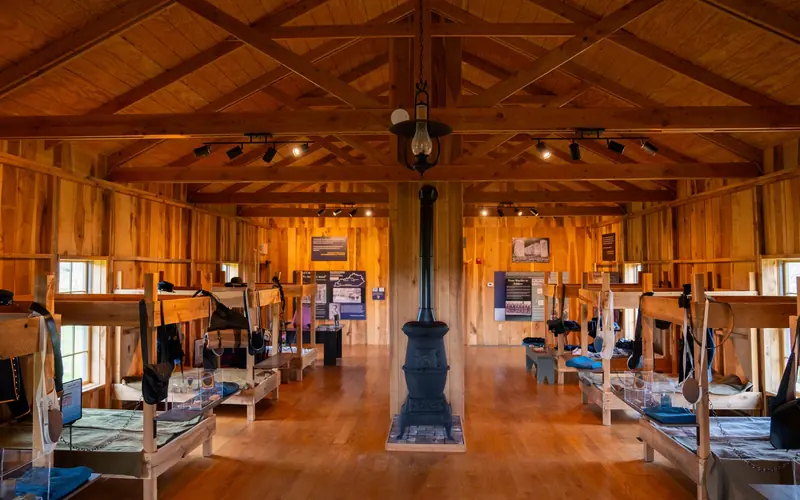
The US Army established Camp Nelson as a fortified supply depot in April 1863. Over the next 3 years, the site evolved into a massive recruitment and training center for United States Colored Troops and a refugee camp for their families. It served as a shelter for civilians fleeing war and for enslaved people hoping to secure their freedom and aid in the destruction of slavery.
Weather
Kentucky has a moderate climate, where summers are humid with highs typically in the upper 80s, and winter highs are in the low 40s. Of course, be aware of the possibility of storms or more extreme temperatures on occasion. The wettest months are March - July when about 4 inches of rain per month are expected, with other months of the year are usually drier.