Lake Superior's notorious weather is the real story at Apostle Islands, where even a single recorded thunderstorm wind event can roll in fast enough to strand kayakers and boaters far from shore. Lake Superior generates its own micro-weather systems that don't always match inland forecasts, making conditions on the water unpredictable even on mornings that start calm. The lakeshore setting amplifies wind-driven waves quickly, and the cold water temperatures here — often below 50°F even in summer — mean that capsizing carries serious hypothermia risk within minutes.
Before launching any watercraft, check the NOAA marine forecast specifically for Lake Superior's Apostle Islands zone (not just the general regional outlook), and build a personal float plan that you leave with someone onshore. Paddlers should carry a marine-grade VHF radio rather than relying on cell service, which drops out across much of the archipelago. A wetsuit or drysuit is worth the hassle even on warm days given how fast water temperatures can incapacitate a swimmer.

Top recorded hazards in Ashland County
County dataFrom NOAA Storm Events (2024). Counts of recorded incidents — not all occurred at this park.
- Thunderstorm Wind 1
Gear keyed to this park's risks
Recommendations driven by the actual hazards above. As an Amazon Associate we earn from qualifying purchases.
Own this campground? Get featured.
Premium listing slots for verified owners — show photos, amenity details, and direct booking links above the standard data card. Drop your contact info and we'll reach out.
About Apostle Islands National Lakeshore
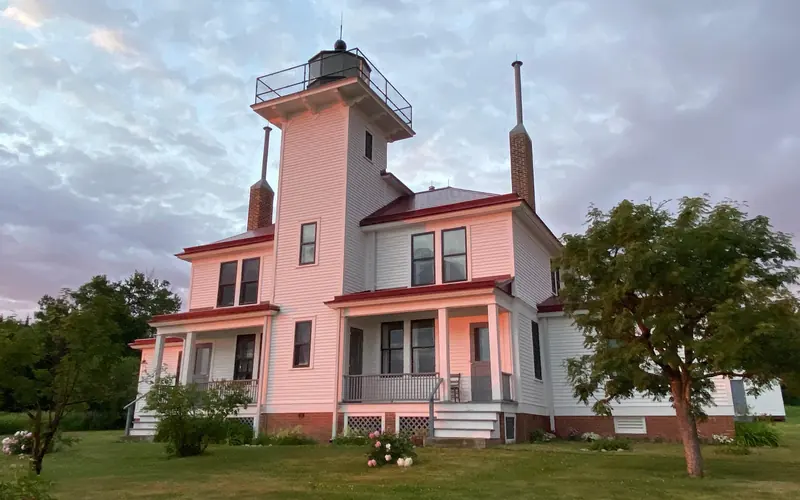
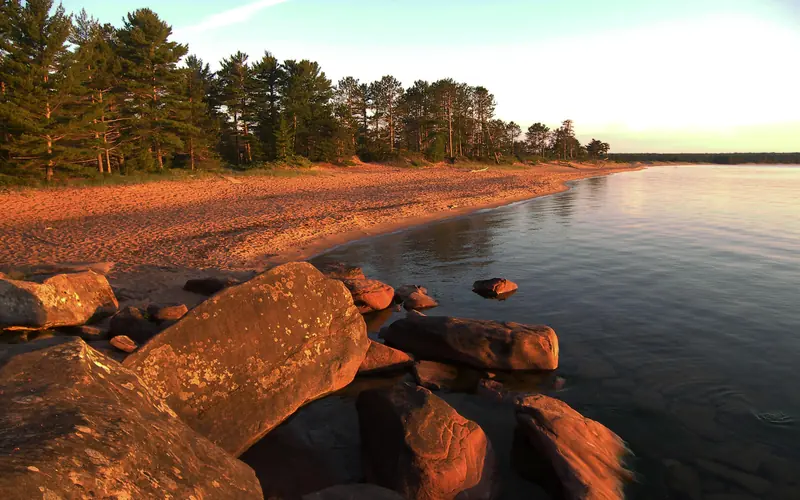
Apostle Islands National Lakeshore, located at the northern tip of Wisconsin's Bayfield Peninsula, features 21 stunning islands, a scenic 12-mile shoreline along Lake Superior, and is located within the ancestral homeland of the Ojibwe people. Established in 1970, the park showcases picturesque sea caves, sandy beaches, and the largest collection of lighthouses in the National Park system.
Weather
Lake Superior is renowned for its cold temperatures, rough seas, fog, and sudden squalls. Boaters and paddlers should monitor marine weather forecasts and be constantly alert to changing conditions. Average daytime high temperatures range from 60 degrees Fahrenheit in May, to the upper 80s in mid-summer, to the mid-60s in September. Average lows vary from 40 degrees in May, to the upper 50s in mid-summer, to 50 degrees in September. Average water temperatures in May and June are only in the 40s.